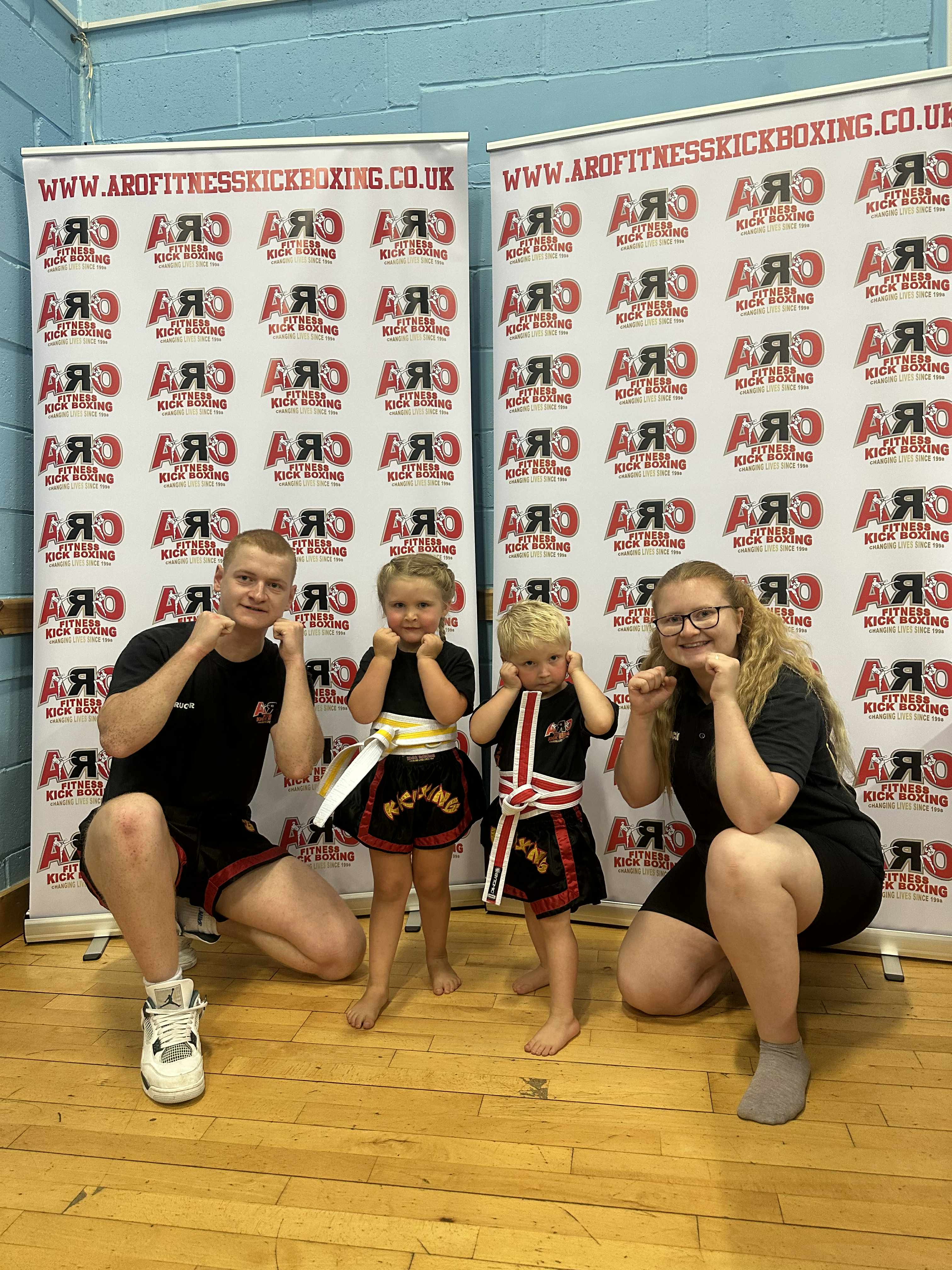
If your child has endless energy, struggles to sit still, or seems to light up whenever they get to move, kickboxing classes for toddlers can be a smart place to channel that energy. For many parents, the question is not whether their child needs more activity. It is whether that activity will be safe, structured, and genuinely helpful. That is where the right class makes all the difference.
At toddler age, kickboxing should never look like a hard training session for adults. It should look like movement with purpose. A good program introduces simple martial arts basics through games, listening drills, balance work, and age-appropriate technique. The goal is not to create a fighter. The goal is to help a young child build confidence, coordination, focus, and respect in a positive setting.
What kickboxing classes for toddlers actually look like
Parents sometimes hear the word kickboxing and picture heavy bags, intense sparring, and a room full of advanced students. That is not what a quality toddler program should be.
For young children, classes are usually short, upbeat, and carefully structured. Coaches keep instructions simple and repeat them often. Children might practice a stance, throw a basic punch in the air, work on balance through footwork, or follow a simple pad drill with close supervision. Just as important, they learn how to line up, wait their turn, listen for cues, and show respect to coaches and classmates.
That structure matters more than parents sometimes realize. Toddlers are still learning how to manage excitement, follow routines, and take direction outside the home. A martial arts environment gives them a clear framework. There is a time to move, a time to listen, and a time to reset. Over time, that consistency can support better attention and self-control.
Why parents consider kickboxing at such a young age
A lot of activities for toddlers focus on entertainment first and development second. There is nothing wrong with fun, of course. Young children need it. But many parents are also looking for something with a little more substance.
That is where kickboxing can stand out. It combines physical activity with life skills in a way that feels natural to a child. They are not sitting through a lecture on discipline. They are learning it by practicing small routines. They are not told to be confident in the abstract. They build confidence by trying a new skill, improving it, and hearing positive feedback from a coach.
For some families, the appeal is practical. Their child needs a better outlet for energy. For others, it is emotional. Their child is shy, easily frustrated, or still learning how to interact in group settings. In both cases, the right class can help, but only if expectations are realistic. A toddler class will not transform a child overnight. What it can do is give them a steady environment where good habits start to take root.
The biggest benefits of toddler kickboxing
The most obvious benefit is movement. Kickboxing classes encourage coordination, balance, body awareness, and general fitness. Toddlers are still figuring out how their bodies move through space, so simple drills can have a big impact.
The less obvious benefit is confidence. When a child learns a new stance, remembers a sequence, or completes a class routine, they get a small but meaningful win. Those wins add up. Children begin to trust that they can listen, learn, and improve.
Focus is another major reason parents choose martial arts. Not every toddler will suddenly become calm and laser-focused after a few classes. That would be unrealistic. But many children do begin to improve their listening, turn-taking, and response to instruction when classes are consistent and well-led.
There is also the social side. In a strong family-centered club, children learn alongside others, encourage each other, and begin to feel part of something. That sense of belonging can be especially valuable for children who are just starting to build confidence in group environments.
What makes a class right for toddlers
Not every kickboxing program is suitable for very young children. This is where parents need to look beyond the name of the class and pay attention to how it is taught.
A toddler-friendly class should feel safe, warm, and highly supervised. Coaches should know how to work with early childhood attention spans and energy levels. Instructions need to be clear and short. Activities should change often enough to keep children engaged without making the session chaotic.
The culture matters too. A family-oriented environment tends to work best because young children respond well when the atmosphere is encouraging, calm, and positive. They do not need pressure. They need guidance, praise, boundaries, and repetition.
Age-specific programming is also important. A class designed for ages 3 to 6 will usually be far more effective than dropping a toddler into a mixed-age martial arts session. Younger children have different developmental needs, and the class should reflect that.
Is your child ready for kickboxing classes for toddlers?
Readiness depends less on natural athletic ability and more on temperament. A child does not need perfect listening skills to begin. In fact, many join because they need help developing them. But it does help if they can separate from a parent for the session, follow very simple instructions, and participate in a group without becoming completely overwhelmed.
Some toddlers thrive right away. Others need a few classes before they feel comfortable. That is normal. The early stage is often about exposure and routine more than performance.
Parents should also think about their own expectations. If you want your child to become more confident, focused, and active over time, kickboxing can be a great fit. If you expect flawless discipline after two sessions, you are likely to feel disappointed. Progress at this age is real, but it is gradual.
Questions worth asking before you sign up
It helps to ask how the class is structured, what the coach-to-student ratio looks like, and whether the program is built specifically for toddlers or simply includes them. You can also ask how beginners are introduced, whether there is contact or sparring for this age group, and how the club supports children who are shy or high-energy.
A trial class is often the best way to judge the fit. You can see how the coaches interact with children, how the room is managed, and whether the atmosphere matches what your family wants. A strong club should make beginners feel welcome and never expect a young child to get everything right on day one.
If you are looking at a program like Lil’ Ninjas at ARO Fitness Kickboxing, the key value is in the age-appropriate structure. Young children need classes that blend fun with discipline in a way they can actually understand.
What toddler kickboxing is not
It is not early competitive fight training. It is not about aggression. It is not a shortcut to perfect behavior. And it should never feel intimidating.
The best toddler martial arts programs teach children how to control their bodies, manage their energy, and treat others with respect. That is very different from encouraging roughness. In fact, children often benefit because they learn when to use their strength and when to stay calm.
This is an important distinction for parents who feel hesitant about combat sports. In a family-focused setting, kickboxing is often less about hitting and more about discipline, coordination, and confidence. The name may sound intense, but the experience for a toddler should be supportive and carefully guided.
When it may not be the right fit yet
Sometimes the timing is off, and that is okay. A child who is extremely anxious in group settings, struggles with transitions, or is not ready to participate without a parent may need a little more time. That does not mean martial arts is not for them. It may simply mean they will enjoy it more a few months later.
It is also worth considering whether your child prefers unstructured exploration over guided activities. Some toddlers need a slower on-ramp into organized classes. Others respond really well to clear rules and routine. It depends on the child.
The good news is that a quality club will usually be honest about fit. They should be able to tell you whether your child is ready now, or whether waiting a bit would lead to a better experience.
For many families, kickboxing becomes more than an activity on the calendar. It becomes a place where children learn how to listen, move, try, and grow. If the class is age-appropriate, encouraging, and well-led, those early lessons can stay with them long after the session ends.