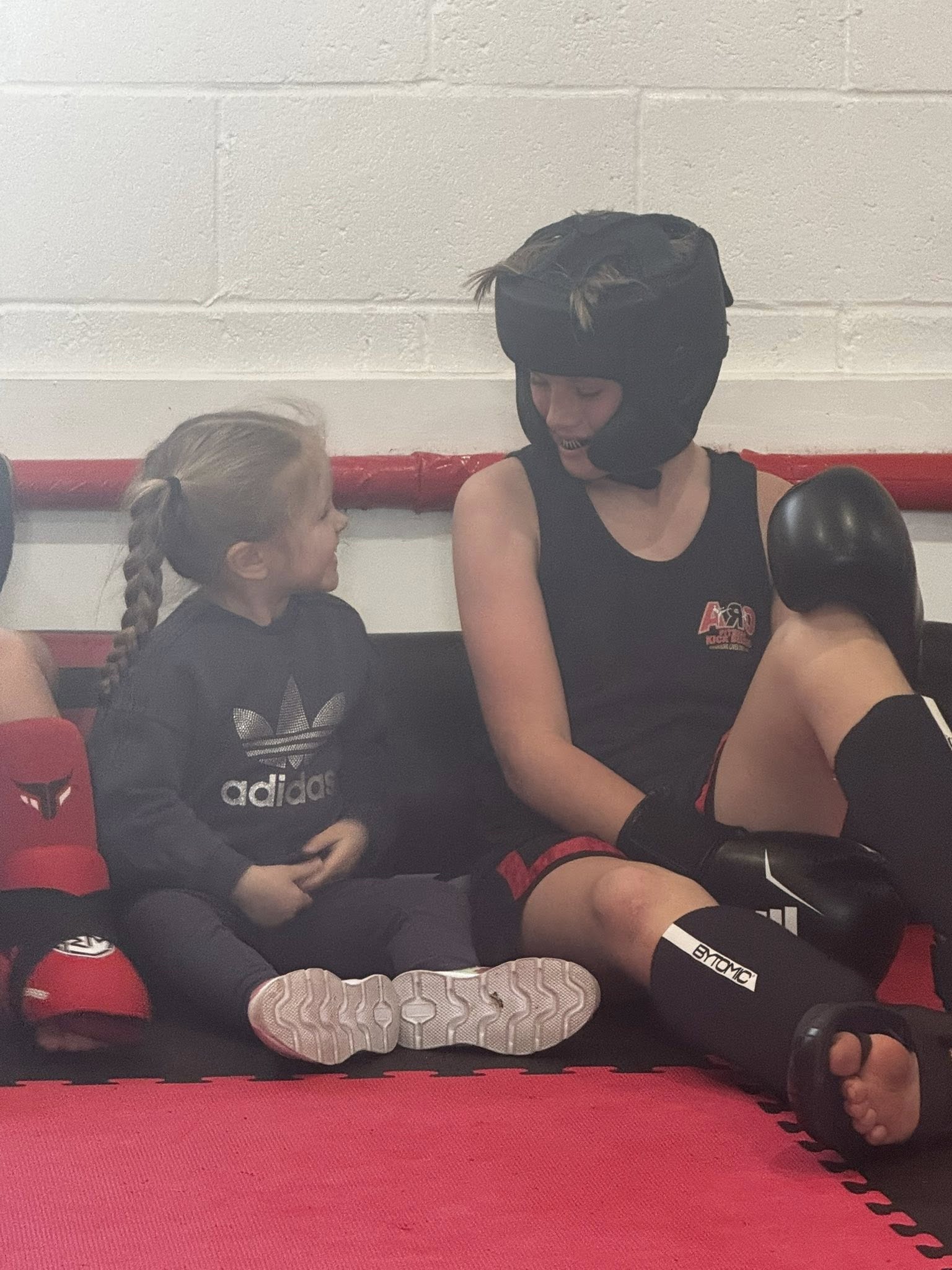
The challenge for many families is not knowing that exercise matters. It is finding something everyone can stick with after the first burst of motivation wears off. Family fitness through martial arts works because it gives each person a clear reason to keep showing up – whether that is better focus at school, more confidence, stress relief after work, or simply the feeling of getting stronger week by week.
That is where martial arts stand apart from many other activities. A class is never just about burning energy. It gives children structure, teens a positive outlet, and adults a way to train with purpose. When the whole family is involved, those benefits start to reinforce each other at home as well as in class.
Why family fitness through martial arts lasts
A lot of family fitness plans fail because they rely on willpower alone. Gym memberships go unused, home equipment gathers dust, and good intentions get squeezed by school runs, work, and everyday life. Martial arts are different because progress is visible and motivating. You are not just exercising for the sake of it. You are learning skills, improving technique, and building towards something.
For children, that might mean better balance, listening skills, and confidence in a structured setting. For teenagers, it often means discipline, resilience, and a healthier way to handle pressure. For adults, the appeal may be fitness, self-defence, or the mental reset that comes from focused training. The key point is that each age group gets something relevant, while still being part of a wider family journey.
That shared journey matters more than people sometimes realise. When a child sees a parent training consistently, effort becomes normal. When parents watch their child earn progress through discipline, they see the value of sticking with it. Healthy habits stop feeling like a lecture and start becoming part of family life.
More than a workout for children, teens and adults
One of the biggest strengths of martial arts is that it meets people where they are. A confident teenager and a nervous beginner do not need the same coaching. A four-year-old and a parent returning to exercise certainly do not need the same class format. Good martial arts training recognises that and provides age-appropriate structure.
Young children learn through routine and encouragement
For younger children, martial arts can be a brilliant introduction to movement, boundaries, and basic discipline. They learn how to listen, follow instructions, take turns, and control their bodies. Those are not small wins. They are the foundations that support classroom behaviour, confidence in social settings, and a more positive attitude towards challenge.
This does not mean every child becomes instantly focused or fearless. Some take time to settle. Some are shy at first. That is normal. In a supportive class, progress is built patiently, and confidence often grows faster than parents expect.
Older children and teens need challenge with guidance
As children get older, the value of martial arts often becomes even clearer. They are no longer just learning how to move. They are learning how to deal with setbacks, train consistently, and respect themselves and others. Teenagers especially benefit from having a positive environment that demands effort without judgement.
For some teens, martial arts become a strong fitness outlet. For others, the real benefit is emotional. Training gives them a space to release stress, improve self-belief, and work towards something tangible. Not every teenager enjoys team sports, and not every teenager responds well to a standard gym environment. Martial arts offer a middle ground – individual progress within a strong community.
Adults need training that feels welcoming and worthwhile
Adults often put their own fitness last. Work, parenting, and daily responsibilities can push personal health to the bottom of the list. Martial arts can help because sessions feel purposeful from the start. You are not left wondering what to do or trying to motivate yourself through another repetitive workout. You are coached, challenged, and encouraged.
That said, the right environment matters. Some adults worry that combat sports gyms will be intimidating or too advanced. A family-focused club changes that experience completely. Beginners should feel welcome, supported, and safe while still being pushed to improve. That balance is what helps adults stay consistent.
The benefits that carry into home life
The phrase family fitness through martial arts is not only about shared exercise. It is also about what training changes outside the club.
Children often become more settled when they have a consistent outlet for energy and a clear framework for respect and effort. Parents often notice improvements in concentration, patience, and resilience. Teenagers may become more self-disciplined and less likely to withdraw from challenge. Adults frequently report better energy, improved mood, and a stronger sense of control over stress.
These changes do not happen overnight, and they are not identical for every family. Some people notice physical benefits first. Others notice behavioural changes or a lift in confidence. It depends on age, personality, and how regularly someone trains. What matters is that martial arts develop the whole person, not just fitness levels.
There is also something powerful about a household where progress is understood and valued. When everyone knows that improvement takes time, mistakes become part of learning rather than a reason to give up. That mindset helps on the mats, at school, at work, and at home.
What to look for in a family-focused martial arts club
Not every club is built with families in mind, so it helps to know what to look for. A strong programme should feel structured, safe, and welcoming from the first session. Coaches should be able to adapt their approach to different age groups while keeping standards high.
Look for classes that are clearly segmented by age and stage. Young children need one kind of teaching. Teens need another. Adults need coaching that challenges them without making them feel out of place if they are starting from scratch. A good club will understand that progression is important, but so is confidence.
You should also notice the culture straight away. Are beginners welcomed? Are children encouraged with patience as well as discipline? Do coaches promote respect and effort, not ego? These details matter because they shape whether people stay for the long term.
At ARO Fitness Kickboxing, that family-centred approach is part of what makes training accessible. Classes are designed to support complete beginners as well as those who want to progress further, with a strong focus on confidence, discipline, fitness, and personal development.
Starting as a family without putting pressure on it
One mistake families sometimes make is trying to overhaul everything at once. New exercise plans, new eating habits, packed diaries – then the routine becomes too much. Martial arts work best when they are introduced steadily and allowed to become part of the week.
If one child starts first and a sibling or parent joins later, that is still progress. If a parent trains while their child builds confidence in a separate class, that still creates a stronger family fitness culture. It does not have to mean everyone attends the same session or moves at the same pace.
The aim is consistency, not perfection. Two regular classes a week in a supportive environment will usually do more for long-term fitness and confidence than a short-lived burst of extreme motivation. Families thrive when training feels sustainable.
It is also worth remembering that motivation changes. Some weeks everyone feels energised. Other weeks life gets busy. A good club helps members keep moving forward through both. That is one reason structured classes are so effective. They remove the guesswork and make it easier to stay committed.
Why martial arts can succeed where other activities struggle
Many activities offer one clear benefit. Martial arts tend to offer several at once. You improve fitness while learning practical skills. You build discipline while gaining confidence. You train individually, but within a team atmosphere. That blend is what makes it such a strong fit for families.
It also gives people different reasons to keep going at different stages. A young child may first enjoy the routine and praise. A teenager may become motivated by progress and resilience. An adult may begin for fitness but stay because training improves mental well-being. The value keeps growing over time.
That is why martial arts are not a passing trend for many families. They become part of how a household approaches health, routine, and personal growth. Exercise stops being a chore and becomes a shared standard of care – for body, mind, and character.
If your family needs an activity that builds more than fitness, martial arts are worth serious consideration. The right class can give each person their own path forward while strengthening the habits and values you want to grow together.